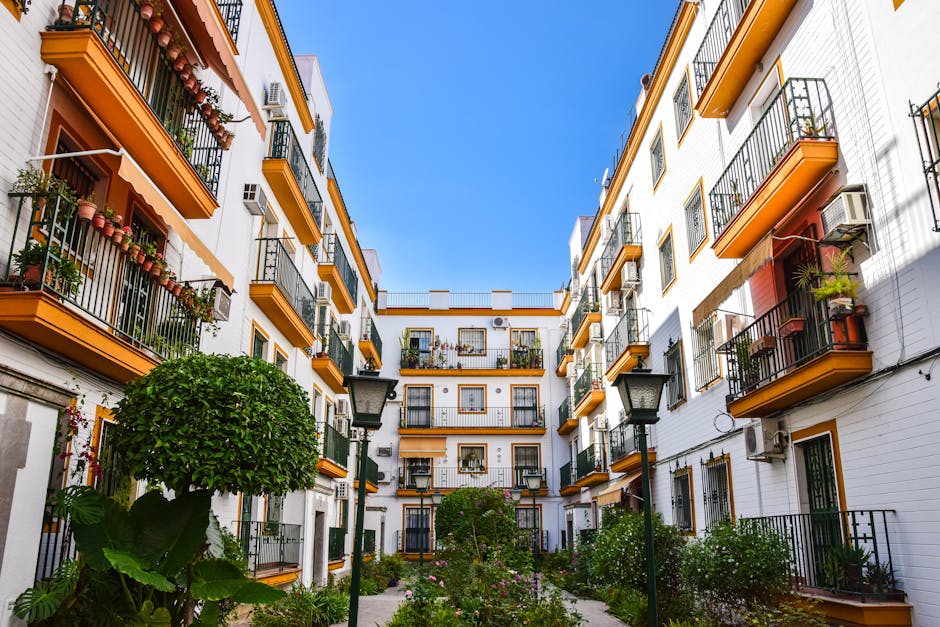
Charlotte Street gardeners for restaurants and courtyards
Charlotte Street has a particular rhythm to it. Busy lunch service, tight pavements, elegant entrances, little pockets of calm tucked behind restaurants and office buildings. In that setting, outdoor planting is not just decoration. It affects first impressions, foot traffic, cleanliness, safety, and even how long people choose to stay. That is why Charlotte Street gardeners for restaurants and courtyards need to be more than just good with a mower and a pair of shears. They need to understand hospitality, presentation, access, timing, and the realities of working in central London. If you are responsible for a restaurant terrace, an enclosed courtyard, or a tucked-away commercial garden, this guide will help you make better decisions with less guesswork.
We will look at what this type of service actually involves, how it works in practice, what to ask before hiring, and how to avoid the common mistakes that can make a courtyard feel messy rather than inviting. You will also find practical comparisons, a checklist, and a realistic example of how a well-managed space can change the feel of a venue. Let's face it: a courtyard can be a quiet asset or a constant headache. The difference usually comes down to planning.
Why Charlotte Street gardeners for restaurants and courtyards Matters
Charlotte Street sits in a part of London where detail matters. People notice whether a planter is fresh or tired, whether a courtyard feels cared for, and whether a restaurant entrance is welcoming or a bit neglected. For restaurants, that first visual cue can shape the whole experience before a menu is even opened. For courtyards, especially hidden internal spaces, the garden often acts like a quiet extension of the brand.
Good garden care does several jobs at once. It keeps planting healthy, prevents pathways from becoming slippery or cluttered, and helps the space look intentional rather than improvised. In a hospitality setting, that is huge. A few dead stems, overgrown edges, or weeds pushing through paving can make a space feel abandoned. Not ideal, obviously.
There is also a practical side. Courtyards on Charlotte Street are often compact, partially shaded, and shaped by surrounding buildings. That means drainage, seasonal light, and access all need proper thought. A gardener who understands these conditions can choose plants that survive the location, keep maintenance realistic, and avoid the cycle of constant replacements.
For restaurant owners and managers, the value is simple: a well-kept courtyard can support the atmosphere you are trying to create. It can make a lunch setting feel calmer, a dinner service feel more polished, and a small outdoor area feel like a real feature rather than leftover space.
Expert summary: In hospitality, outdoor planting is not a decorative extra. It is part of the customer experience, part of your presentation, and part of how safely and smoothly the space functions.
How Charlotte Street gardeners for restaurants and courtyards Works
In practice, this kind of gardening service is usually built around regular visits rather than one-off tidy-ups. The exact schedule depends on the planting style, the size of the space, and how much foot traffic the area sees. A restaurant frontage with planters in full view may need more frequent attention than a sheltered courtyard with slow-growing shrubs and evergreen structure.
The work normally starts with an assessment. That might include looking at light levels, watering points, drainage, planter condition, pruning needs, and how the garden interacts with customers and staff movement. Access matters too. In a Charlotte Street property, you often have tight delivery windows, shared access, or the need to work quietly before service begins. Not glamorous, but very real.
Once the space has been assessed, the gardener will usually create a maintenance rhythm. That can include:
- deadheading and tidying flowering plants
- trimming shrubs and controlling shape
- weeding beds, borders, paving joints, and planters
- checking irrigation or watering routines
- refreshing soil, mulch, or compost where needed
- removing litter, leaf build-up, and spent plant material
- seasonal replanting to keep the display consistent
For restaurants, timing is often everything. Work may be scheduled early morning, between service periods, or on quieter days. For courtyards used by guests, the gardener also needs to think about presentation while work is taking place. Tools should be kept neat. Waste should be removed promptly. No one wants to step around a pile of cuttings while trying to enjoy coffee and eggs. That sort of thing sticks in memory for the wrong reasons.
A good service also plans ahead. Courtyard gardens in central London rarely stay stable all year. Summer dry spells, winter wind tunnels, and shade from tall buildings can change what thrives and what fails. So the work is not just maintenance; it is ongoing adjustment.
Key Benefits and Practical Advantages
The best benefit is obvious: the space looks better. But there is more to it than that. A well-managed courtyard or restaurant garden can influence how people move, pause, photograph, sit, and spend time.
1. Better customer impression
Fresh planting, clean lines, and healthy greenery suggest care. Guests may not consciously analyse the planting, but they feel the difference. A smart courtyard can make a venue feel more premium without shouting about it.
2. More usable outdoor space
Courtyards often fail because they are underused. Proper garden care can turn a neglected pocket into a useful area for waiting, dining, relaxing, or private bookings. Even a tiny space can do a lot if it is maintained well.
3. Lower long-term repair hassle
Regular attention helps spot problems early: blocked drains, damaged containers, compacted soil, failing irrigation, or plant stress. Catching these early is usually much cheaper than dealing with a full refresh later.
4. Better plant survival
In shaded, urban environments, poor plant choice can lead to constant replacement. A gardener who understands the conditions can choose more resilient species and save everyone a fair bit of grief.
5. Cleaner, safer surroundings
Leaves, fallen petals, muddy run-off, and overgrown edges can become slip risks or cleanliness issues. That is especially relevant near entrances, staff routes, and customer seating.
There is another advantage people sometimes miss: consistency. Restaurants rely on repeat impressions. A garden that looks good in May but tired by August does not help. The point is not a one-week flourish. It is steady quality.
| Feature | Light-touch upkeep | Professional restaurant and courtyard gardening |
|---|---|---|
| Visual consistency | Can drift between visits | Managed to stay presentable week after week |
| Plant health | Often reactive | Monitored and adjusted through the seasons |
| Guest experience | Can feel unfinished | Feels intentional and welcoming |
| Operational fit | May interrupt service | Scheduled around opening hours and deliveries |
| Risk management | Problems spotted late | Issues noticed early and dealt with properly |
Who This Is For and When It Makes Sense
This service makes sense for anyone responsible for an outdoor area that needs to look good and function well with regular public use. That could be a restaurant manager, a head office facilities team, a landlord, or a hospitality operator with a courtyard tucked behind the main building.
You will usually benefit from professional garden care if:
- your outdoor area is visible to customers
- the planting has become inconsistent or hard to maintain internally
- staff are spending too much time on quick fixes
- you need regular upkeep around service times
- you have planters, beds, or climbing plants that need seasonal attention
- the space is small but important to your brand
It also makes sense when the courtyard has awkward conditions. Think limited sunlight, poor airflow, thin soil depth, or surfaces that need careful cleaning. These spaces are often deceptively difficult. They may look simple from a distance, but once you start watering and pruning, they become a bit of a puzzle.
For a restaurant, the trigger is often presentation. For a courtyard used by staff or guests, the trigger might be function. For a mixed-use building, it can be both. If the space is adding stress instead of value, that is usually the sign it needs proper management.
Step-by-Step Guidance
If you are planning Charlotte Street gardeners for restaurants and courtyards, a structured approach helps. You do not need a huge strategy document. You need a clear sequence, sensible expectations, and a bit of realism.
- Define the purpose of the space. Is the courtyard for dining, waiting, brand image, staff use, or all three? The answer changes the planting style and maintenance plan.
- Assess light, shelter, and access. A north-facing courtyard with high walls behaves very differently from a front-facing frontage exposed to wind and street dust.
- Review the current planting. Which plants are thriving? Which are failing every season? Which areas always look tired first?
- Set service windows. For restaurants, agree when work can happen without disrupting guests or deliveries. Early mornings are often best, though not always.
- Create a maintenance schedule. Regular visits usually work better than big monthly clean-ups, especially where visual standards matter.
- Plan seasonal refreshes. Choose dates for spring and autumn changes so the space does not drift into decline.
- Monitor and adjust. A courtyard is not a fixed object. Weather, foot traffic, and occupancy all affect it.
A small note from real-world experience: the best courtyard gardens are rarely the most expensive-looking ones. They are the most considered. Plants are chosen for the site, pots are the right size, and maintenance is easy to keep up. That last bit is often the winner.
Expert Tips for Better Results
Here is where the difference really shows. Plenty of spaces are maintained. Fewer are maintained well.
Choose plants for the microclimate, not the brochure image
Courtyards can be hot, dry, shaded, windy, or damp in weird combinations. A plant that looks lovely in a nursery may struggle badly behind a tall building. Pick for the actual site.
Use structure, not only flowers
Evergreens, grasses, clipped forms, and hardy shrubs can keep a courtyard looking intentional even when seasonal colour fades. This matters in London, where winter can be long and a bit dreary. Structure keeps the room together.
Keep the edges crisp
In hospitality, neat edges do a lot of visual work. It is a small thing, but guests notice clean planter lines, trimmed hedging, and tidy paving. They may not say so. They just feel it.
Plan for water, because water is always the thing
Overwatering, underwatering, blocked drainage, and forgotten irrigation timers are common issues. If staff are expected to water plants, make the instructions simple and realistic.
Think about scent and texture
In a compact courtyard, sensory planting can be more effective than trying to create a huge display. A few aromatic herbs, soft foliage, or seasonal flowers can give the space character without clutter.
And yes, you do sometimes need to say no to the pretty-but-finicky plant. Sad but true.
Common Mistakes to Avoid
There are a few recurring mistakes that tend to show up in restaurant and courtyard gardening. Avoiding them saves money and reduces stress.
- Choosing plants that need too much sun. A shaded courtyard will punish the wrong selection quickly.
- Ignoring access routes. Staff and guests need clear movement. A beautiful planter that blocks service is still a problem.
- Letting maintenance become reactive. If you only act when things look bad, the space will always be one step behind.
- Using containers that are too small. Small pots dry out fast and leave roots cramped. They can look neat, but they create work.
- Forgetting seasonal change. A display that looks strong in spring may collapse by late summer if it is not refreshed.
- Allowing waste to linger. Dead leaves, trimmings, and broken stems make even a healthy courtyard look neglected.
One especially common issue is mismatch. The restaurant wants a lush, full look, but the courtyard only supports low-light planting and modest soil depth. That is not a failure. It just means the design has to respect the space.
Tools, Resources and Recommendations
A reliable gardening setup for commercial courtyards is usually fairly simple, but it needs to be dependable. There is no point owning the fanciest kit if it is awkward to use on a tight site.
Useful tools and materials
- hand pruners and shears for precise trimming
- lightweight waste bags or tubs for quick removal
- watering cans or a checked irrigation setup
- mulch or top dressing to help soil retain moisture
- plant supports for climbers and taller stems
- soft brushes or cleaning tools for hard surfaces near planters
Operational recommendations
For restaurant settings, it helps to keep a simple record of what was planted, when it was last replaced, and what issues appeared in different seasons. Nothing fancy. A basic maintenance log is enough to spot patterns. For example, if one corner always dries out by mid-afternoon, you can adjust before the plants suffer again.
If you are choosing a provider, look beyond the polished photos. Ask how they handle seasonal transitions, what they do about waste removal, and how they work around service hours. You can also review the company's service overview to understand the scope of support available, and their recycling and sustainability approach if you care about green waste handling and broader environmental practice.
If you need clarity on service terms, budget planning, or getting started, the pricing and quotes page can help set expectations, while contacting the team is the sensible next step when you are comparing options or planning a site visit.
Law, Compliance, Standards, or Best Practice
Commercial garden maintenance in London often touches safety, access, waste handling, and duty of care. The exact requirements depend on the property, the work being done, and the site arrangements, so it is wise to stay practical and cautious rather than assume a one-size-fits-all rule.
For restaurant courtyards, best practice usually includes:
- keeping walkways clear and non-slip where possible
- managing trimmings and waste so they do not create hazards
- using equipment responsibly around staff, guests, and deliveries
- maintaining access routes for emergency use
- keeping plant care compatible with food-service operations
It is also sensible to confirm that your gardener carries suitable insurance and works with a clear safety process. If a contractor is operating on a live hospitality site, they should understand the need for care, tidy conduct, and predictable scheduling. For more detail, you can review the company's health and safety policy and insurance and safety information.
For the commercial side of the relationship, terms, payment expectations, and complaints handling are not glamorous, but they matter. Transparent admin avoids awkward conversations later. That is worth a lot. You can also review the terms and conditions and complaints procedure so everyone is clear on how the arrangement works.
If you are checking the provider behind the service, the about us page is useful for understanding who you are dealing with and whether the business feels aligned with your standards. That trust piece matters more than people sometimes admit.
Options, Methods, or Comparison Table
Not every courtyard or restaurant frontage needs the same type of care. The right method depends on how visible the space is, how much it is used, and how much internal resource you already have.
| Approach | Best for | Strengths | Trade-offs |
|---|---|---|---|
| Weekly maintenance visits | High-visibility restaurant courtyards | Consistent presentation, easier issue spotting | Higher ongoing commitment |
| Fortnightly visits | Moderate-use spaces with resilient planting | Good balance of cost and appearance | May need staff support between visits |
| Seasonal refresh only | Simple, lower-traffic spaces | Useful for budget control | Can drift between visits if not monitored |
| Internal staff care with periodic professional support | Businesses with some in-house capacity | Flexible, cost-aware | Quality can vary if staff are busy |
In many hospitality settings, a mixed approach works best. Professionals handle pruning, seasonal changes, and troubleshooting, while staff manage light watering or quick presentation checks. That said, if the courtyard is part of the customer experience, regular professional oversight usually pays for itself in reduced hassle and better consistency.
Case Study or Real-World Example
Imagine a restaurant just off Charlotte Street with a narrow internal courtyard used for lunch and early evening service. The space has two planters, one climbing wall, and a few tables that guests particularly like on warmer days. At first, the owners treat it as a nice extra. Someone waters it when they remember. A few plants die off. The climber becomes patchy. Leaves collect in corners and the paving starts to look tired.
Nothing catastrophic. Just enough to make the space feel less special.
Once the courtyard is managed properly, the change is subtle but very noticeable. The planting is replaced with species that cope better with shade and reflected heat. The climber is trained instead of left to wander. Soil is refreshed. Waste is removed on each visit. The edges are cut back before they start to crowd the seating. Suddenly the courtyard feels calmer, cleaner, and more deliberate. Guests sit there a little longer. Staff stop apologising for it. A small shift, really, but it changes the mood of the whole room.
The lesson? You do not need a giant garden to make an impact. You need a space that feels cared for.
Practical Checklist
Use this checklist if you are reviewing a courtyard or restaurant garden on Charlotte Street and want to know whether it is properly managed.
- Is the space visually consistent from week to week?
- Are plants chosen for shade, wind, and limited root space?
- Are all walkways and service routes clear?
- Is waste removed after each maintenance visit?
- Are watering responsibilities clear and realistic?
- Does the maintenance plan change with the seasons?
- Are any planters cracked, unstable, or too small?
- Is the courtyard easy to use without awkward obstacles?
- Do the plants support the restaurant's style and atmosphere?
- Are safety, insurance, and service expectations documented?
If you answered no to several of these, the garden probably needs more structured care than it is getting right now. That is normal, by the way. Many spaces only need a better system, not a complete overhaul.
Quick takeaway: The best Charlotte Street courtyard gardens are designed for the site, maintained on a rhythm, and kept tidy enough that the hospitality team barely has to think about them.
Get a free quote today and see how much you can save.
Conclusion
Charlotte Street gardeners for restaurants and courtyards play a bigger role than many people first realise. They help shape first impressions, support safe and tidy operations, and make small outdoor spaces feel like part of the business rather than an afterthought. In a busy part of London, where every detail seems to count twice, that kind of care is worth taking seriously.
The key is to choose a service that understands hospitality, works around your schedule, and knows how to maintain planting in a live commercial environment. If you get that right, the courtyard stops being one more thing to manage and starts doing useful work for your venue. Quietly, consistently, and properly. Which, to be fair, is exactly what you want.
Frequently Asked Questions
What do Charlotte Street gardeners for restaurants and courtyards actually do?
They maintain outdoor spaces used by restaurants, hospitality venues, and courtyard properties. That usually includes pruning, weeding, watering checks, seasonal planting, waste removal, and keeping the area presentable around service times.
How often does a restaurant courtyard need maintenance?
It depends on visibility, plant choice, and how busy the space is. High-profile courtyards may need weekly attention, while simpler spaces may be fine with less frequent visits. The key is consistency rather than occasional big tidy-ups.
Can a small courtyard still benefit from professional gardening?
Yes, absolutely. Small courtyards often benefit even more because every plant, pot, and edge is visible. A tiny space can look excellent with the right structure and regular care.
What plants work best in shaded central London courtyards?
That depends on the exact light and shelter conditions, but hardy, shade-tolerant, and low-maintenance plants are usually the safest starting point. A good gardener will choose for the site, not just for appearance.
How do gardeners work around restaurant opening hours?
Usually by scheduling visits early in the morning, between service periods, or on quieter days. Good communication is important because hospitality spaces cannot always tolerate noisy or messy work during peak times.
Do courtyard gardens need seasonal changes?
In many cases, yes. Seasonal changes help keep the space looking fresh and healthy. Even a well-planted courtyard may need adjustments as weather, light, and temperature shift through the year.
What is the biggest mistake restaurants make with outdoor planting?
Choosing plants that look good at purchase but do not suit the actual site. Shade, wind, drainage, and watering patterns matter a great deal. A plant that is wrong for the space can become a recurring cost.
Is regular garden maintenance worth it for a restaurant?
Usually, yes. A tidy, attractive courtyard can improve guest experience and reduce the chance of the space becoming an ongoing problem. It also helps preserve the value of the planting and hard landscaping.
Should a gardener provide waste removal after each visit?
They should, or at least agree clearly how waste will be handled. In a restaurant setting, lingering cuttings or bags of green waste are not ideal. Clean handover matters.
What should I check before hiring a gardener for a courtyard?
Look at experience with commercial or hospitality spaces, insurance, safety practices, communication style, seasonal planning, and how they handle access and timing. If you are unsure, start with the provider's service details and contact them with the specifics of your site.
How do I know if my courtyard needs a redesign rather than maintenance?
If the same plants keep failing, the space feels cramped, or maintenance is becoming harder every season, a redesign may be more sensible. Sometimes the answer is not more effort, but a better layout and more suitable planting.
Can I keep some maintenance in-house and use professionals for the rest?
Yes. Many businesses do this. Staff can handle light watering or checks, while professionals manage pruning, seasonal replanting, and problem-solving. It can work well if responsibilities are clear and realistic.